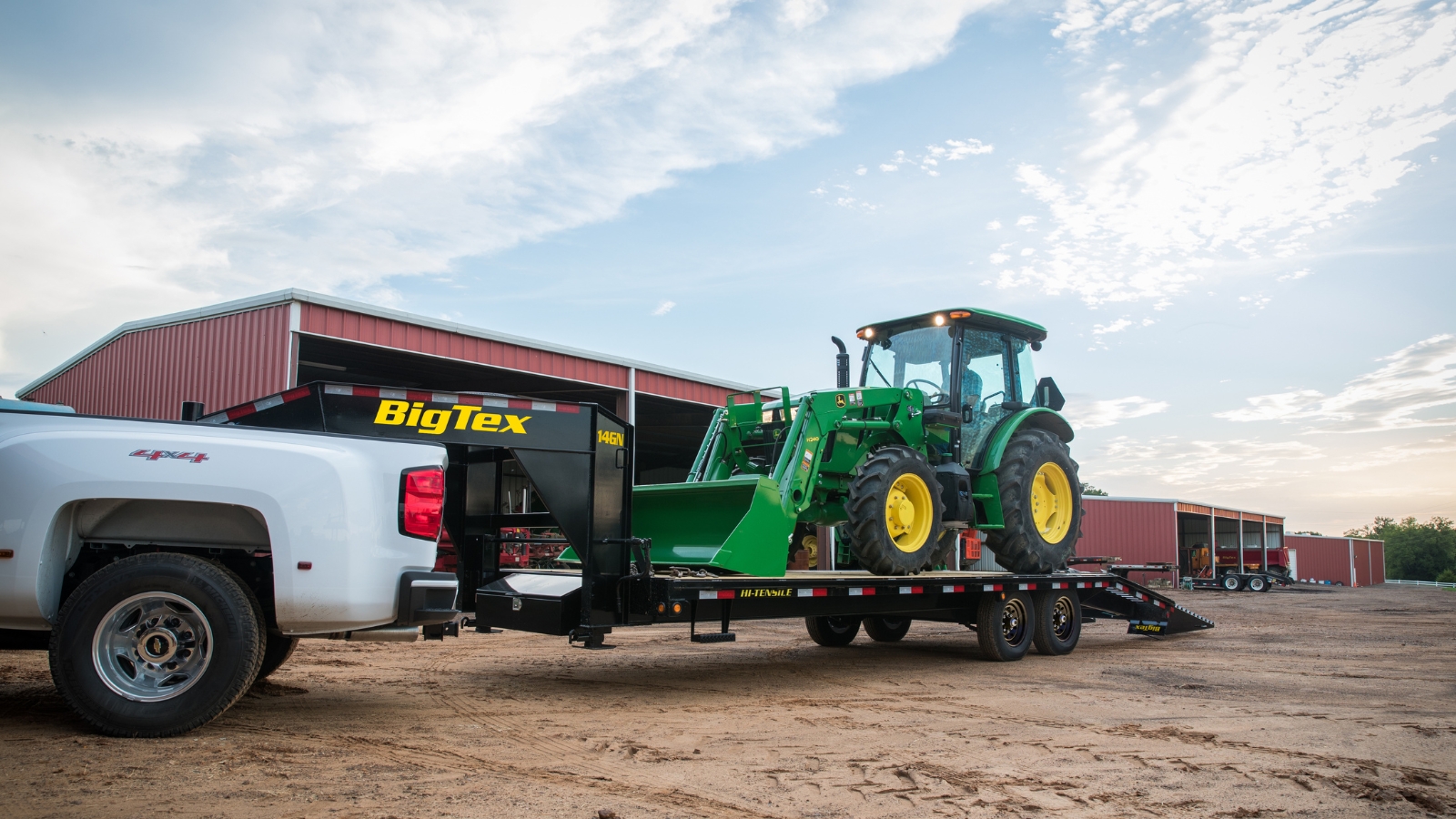
Planning a long haul can be both exciting and a little nerve-wracking. Whether you’re moving equipment across state lines, heading out for a major landscaping project, or delivering a heavy load for your business, your trailer is the backbone of the operation. But a trailer is only as reliable as the maintenance you put into it.
There’s nothing quite like the feeling of the open road: until you hear the unmistakable sound of a blowout or feel the sway of an unbalanced load. At Hometowne Capital, we believe that having the right tools should be simple and stress-free. That’s why we offer a simple path to ownership through our rent to own trailers. We want you to focus on the road ahead, not on how you’re going to afford your equipment or whether it’s going to hold up.
To help you get where you’re going safely, we’ve put together the ultimate maintenance checklist for those long-distance trips.
Your tires are the only thing between your heavy load and the pavement. When you're towing over long distances, tires generate a lot of heat, which can lead to failures if they aren't in peak condition.
Always check your tire pressure before you start your trip. Use a reliable gauge and inflate them to the manufacturer’s recommended PSI (usually found on the trailer’s VIN plate or the sidewall of the tire). Never "eyeball" it. Under-inflated tires generate excessive heat and can cause a blowout, while over-inflated tires can lead to uneven wear and a bouncy ride.
Look for "cupping" or uneven wear patterns. These are often signs that your trailer’s axle might be out of alignment or that your tires are out of balance. Check for cracks in the sidewalls (often called dry rot), especially if the trailer has been sitting for a while. If you see wire or cord peeking through, it’s time for a replacement.
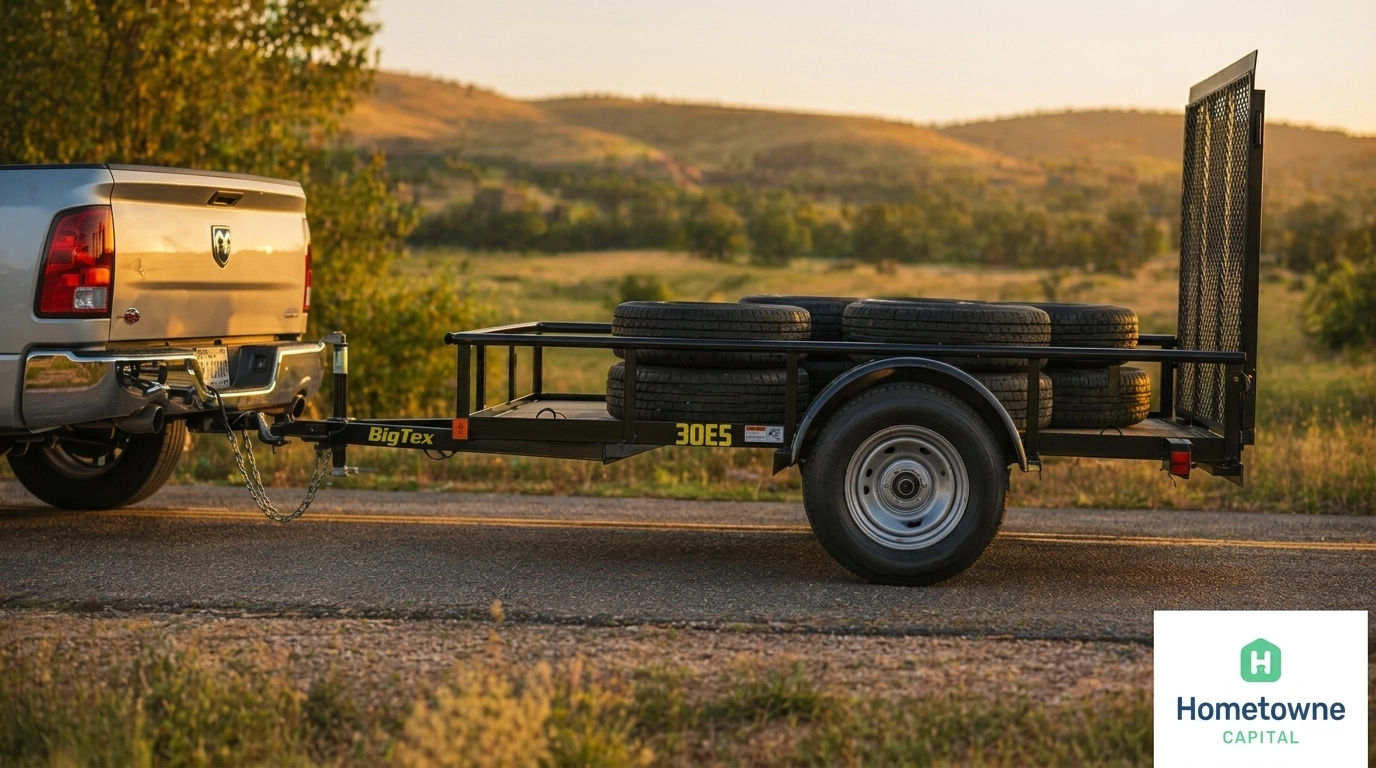
A spare tire is useless if it’s flat. Make sure your spare is aired up and that you have the tools: like a jack and a lug wrench: that actually fit your trailer.

If you’ve ever seen a trailer on the side of the highway with a missing wheel, it was likely a bearing failure. Wheel bearings allow your wheels to spin freely with minimal friction. Over time, the grease inside can break down or leak out.
Before a long haul, it’s a good idea to ensure your bearings are well-lubricated. If your trailer has "EZ-Lube" hubs, you can use a grease gun to add fresh grease. If not, you may need to manually repack them. We recommend doing this at least once a year or every 12,000 miles.
During your trip, make it a habit to check your wheel hubs every time you stop for fuel. Carefully touch the hub (the center of the wheel). It should be warm, but never hot to the touch. If one hub is significantly hotter than the others, you likely have a bearing starting to fail or a brake that’s dragging.
On a long haul, you’re likely to encounter different weather conditions and perhaps some night driving. Being seen is just as important as seeing where you're going.
Have a partner stand behind the trailer while you test the:
Most trailer light issues are caused by a bad ground. If your lights are flickering or dim, check the white wire on your trailer plug to ensure it has a clean, solid connection to the trailer frame. A little bit of dielectric grease on the plug terminals can go a long way in preventing corrosion during long trips.

The connection between your truck and trailer is your lifeline. It needs to be rock-solid before you hit the highway.
It sounds simple, but double-check that your hitch ball matches the coupler size. Using a 2-inch ball on a 2 5/16-inch coupler is a recipe for disaster. Ensure the coupler latches securely and use a locking pin to prevent it from accidentally popping open.
Safety chains should always be crossed under the trailer tongue in an "X" pattern. This creates a cradle that will catch the tongue if the coupler ever fails, preventing it from digging into the pavement. Ensure there is enough slack for turns, but not so much that they drag on the ground.

How you load your trailer is just as important as how you maintain it. Improper weight distribution is the leading cause of trailer sway, which can be incredibly dangerous at high speeds.
We know that sometimes the biggest hurdle isn't the maintenance: it's getting the equipment you need in the first place. High-quality trailers are an investment, and traditional financing isn't always the easiest path.
At Hometowne Capital, we provide a utility trailer rent to own solution that’s built on simplicity. We don’t believe that a credit score should stand in the way of you getting the tools you need to succeed. Our process features:
Whether you're a small business owner looking to scale or an individual with a big project on the horizon, we’re here to be your partner. We currently serve customers in 24 states across the U.S., working with a network of dedicated dealers to provide you with the best assets available.

Maintenance is about peace of mind. When you know your tires are right, your bearings are greased, and your load is secure, you can focus on the job at hand.
If you’re ready to upgrade your equipment with a simple, affordable solution, we’d love to help. You can start your journey toward ownership today with our easy application process.
Are you a dealer looking to offer these flexible solutions to your own customers? We’re always looking for great partners to join our network.
Safe travels on your next long haul! We’re proud to provide the solutions that help you have the things you need to get the job done.